













The "Biography of Fake News" project successfully continues!
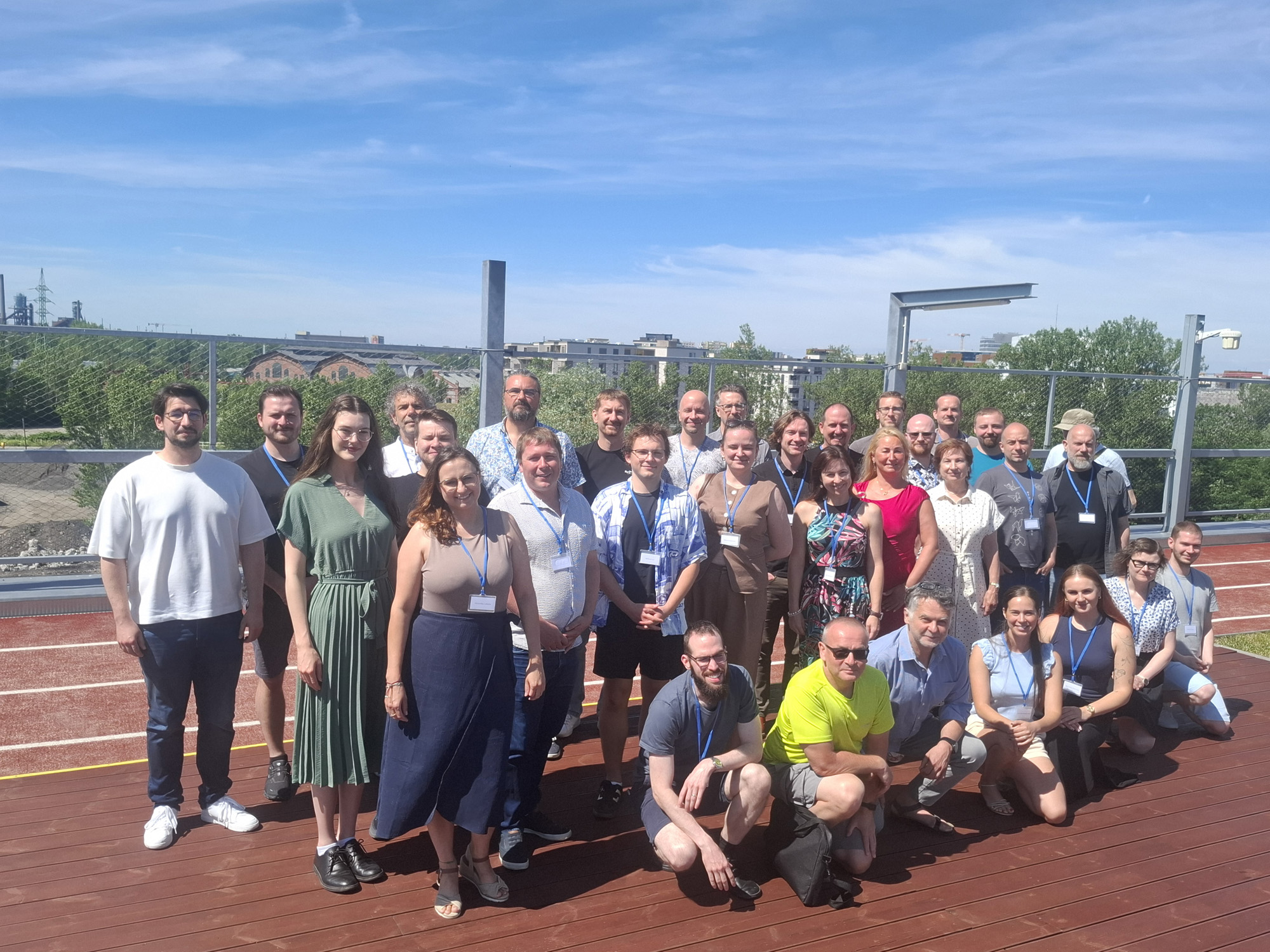
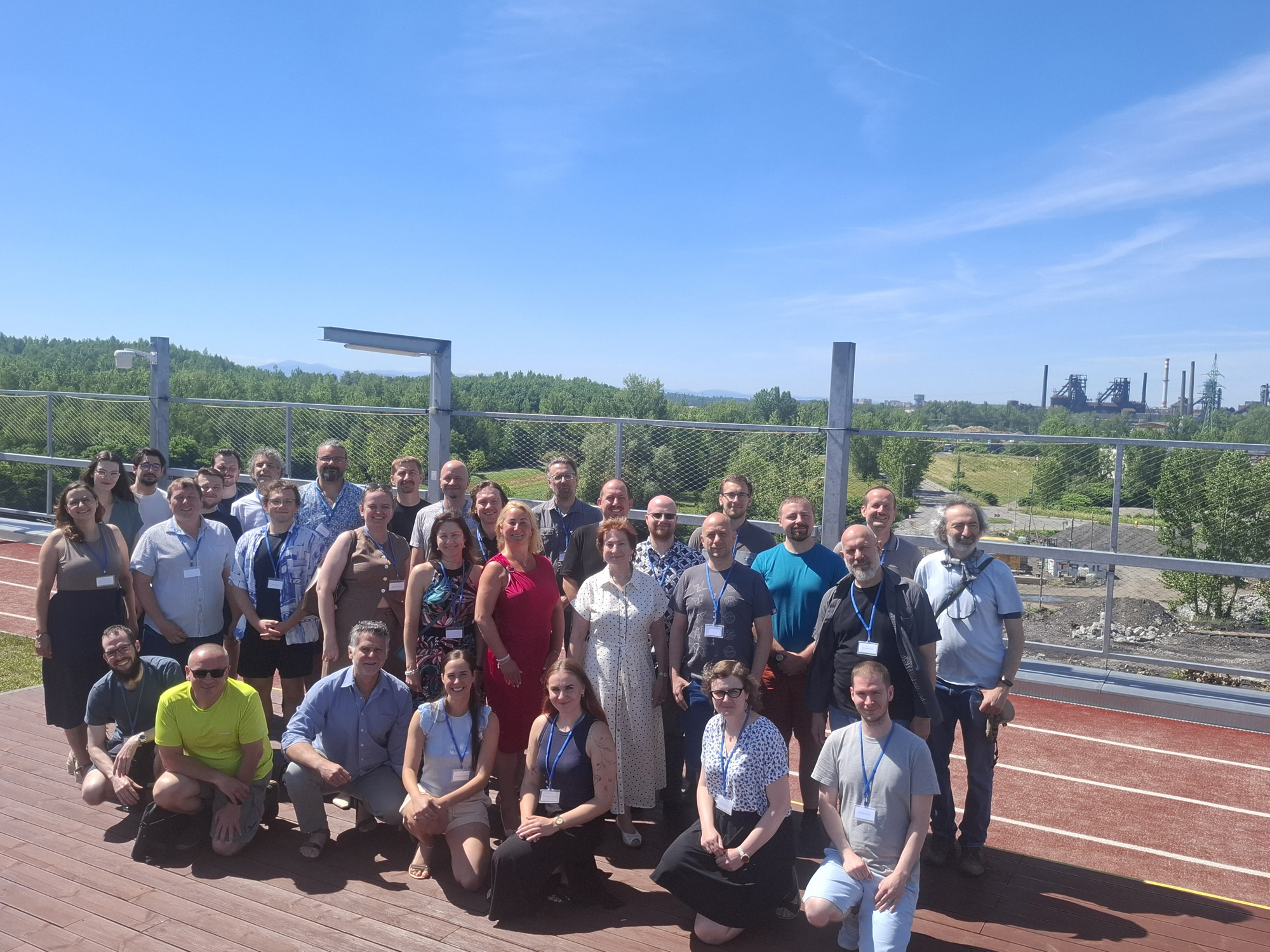
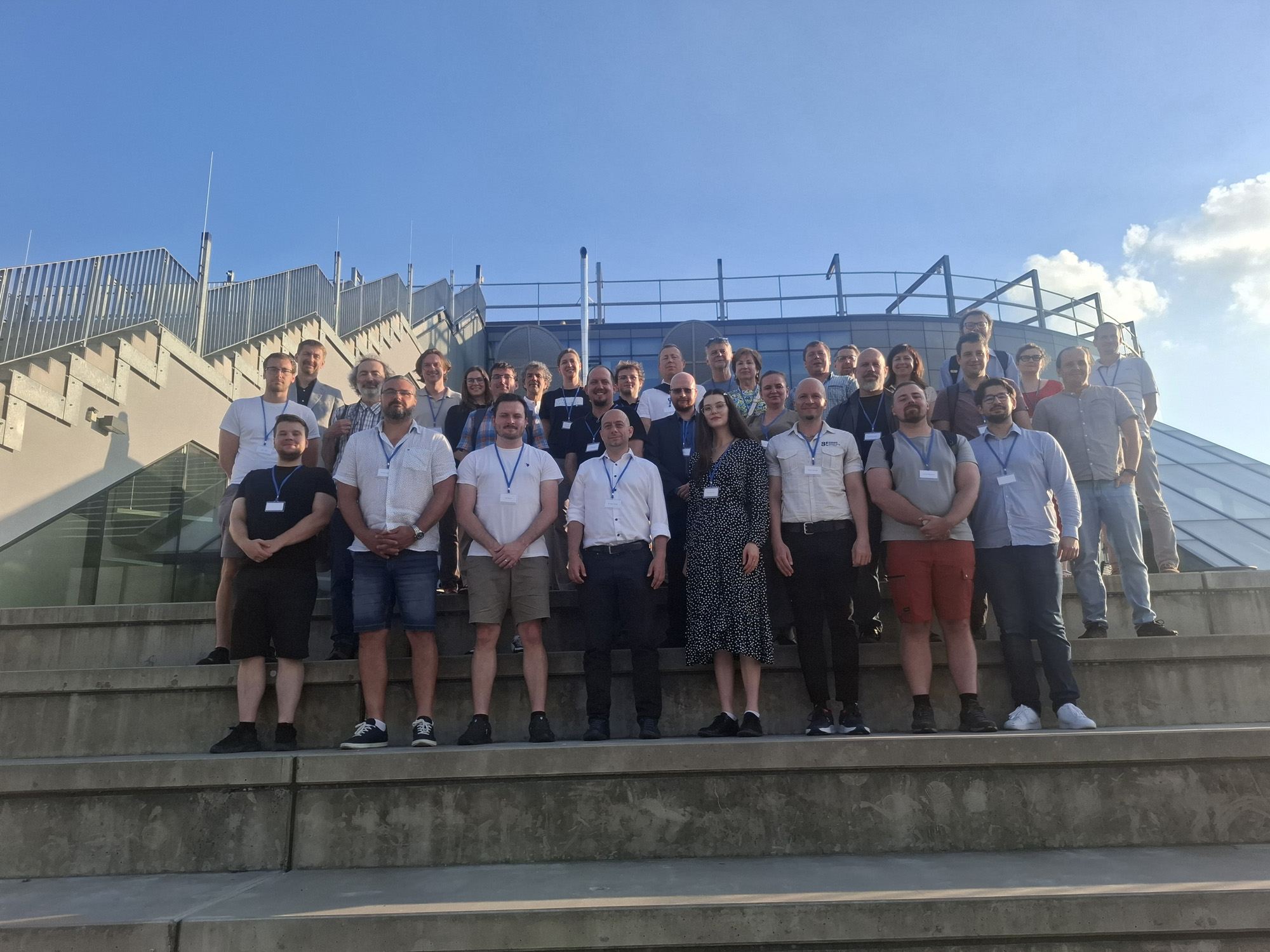
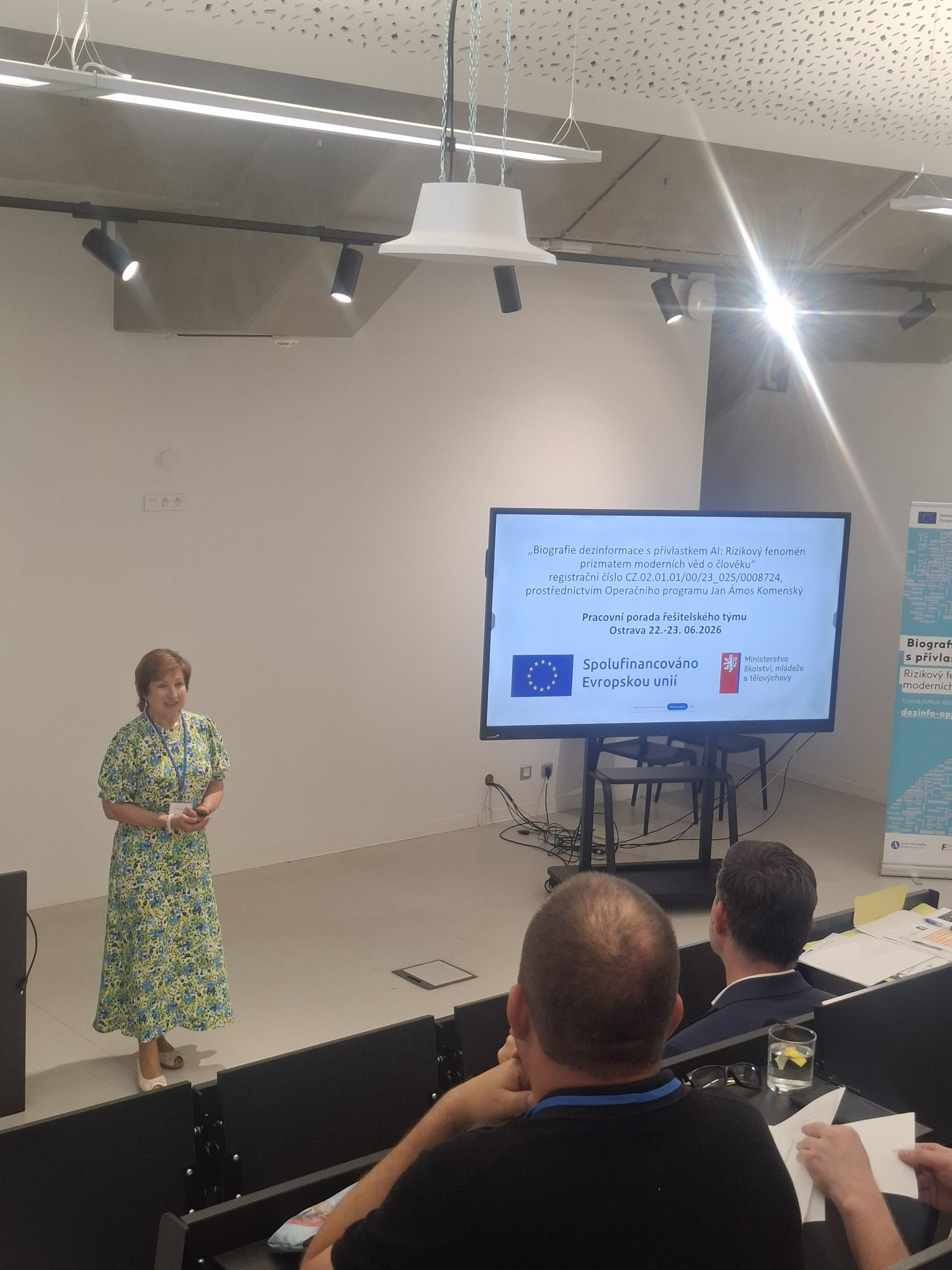
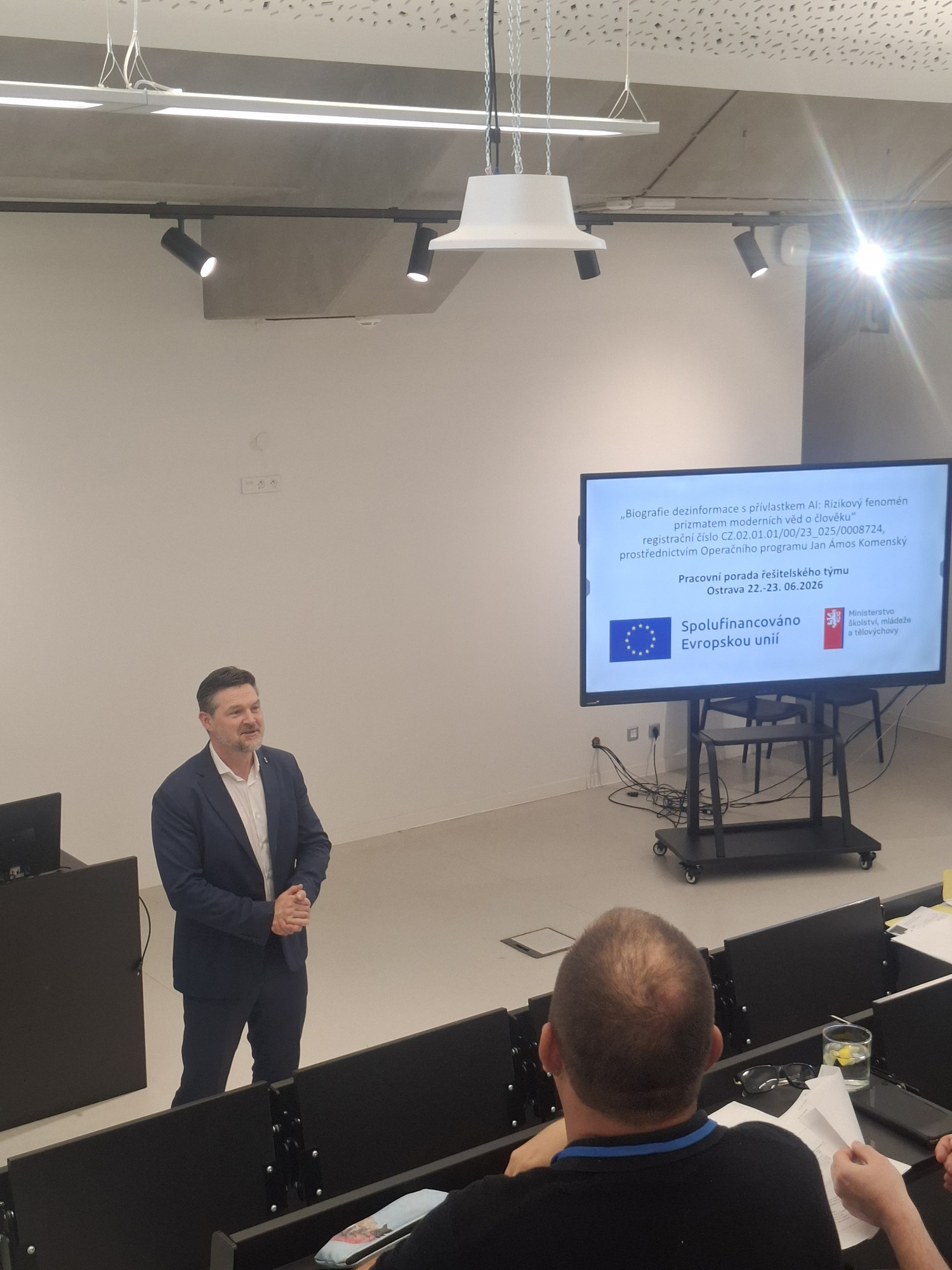
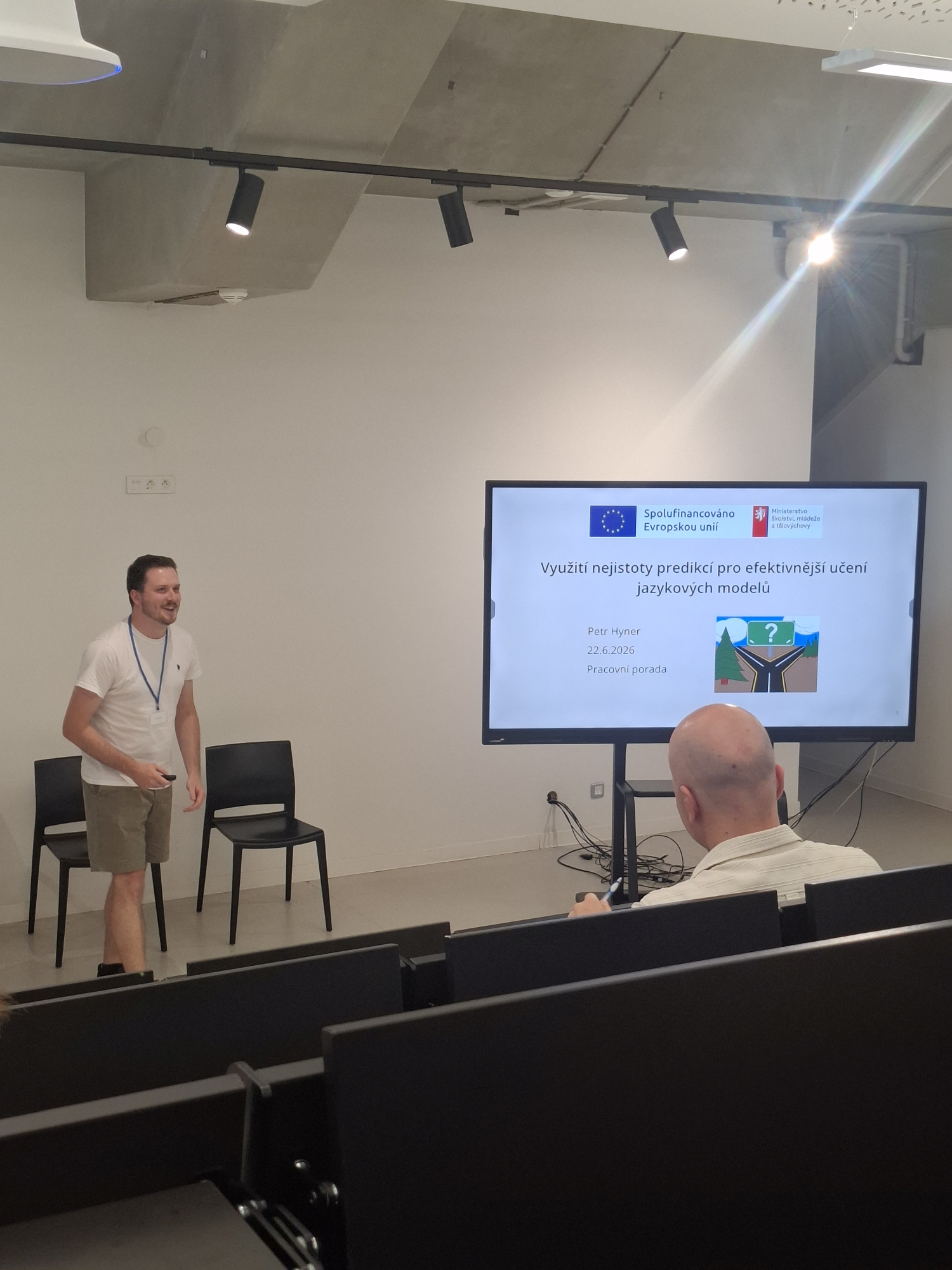
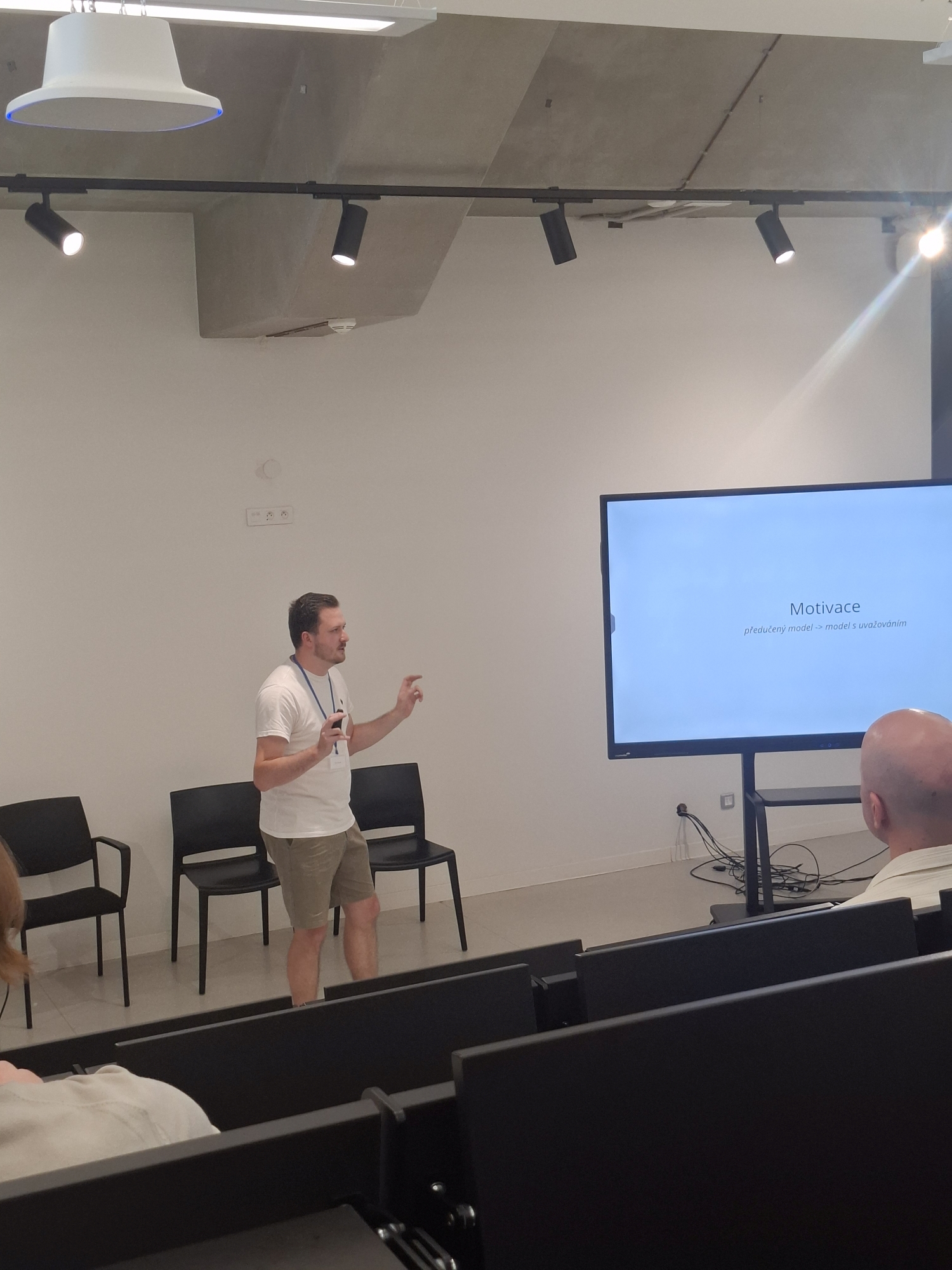
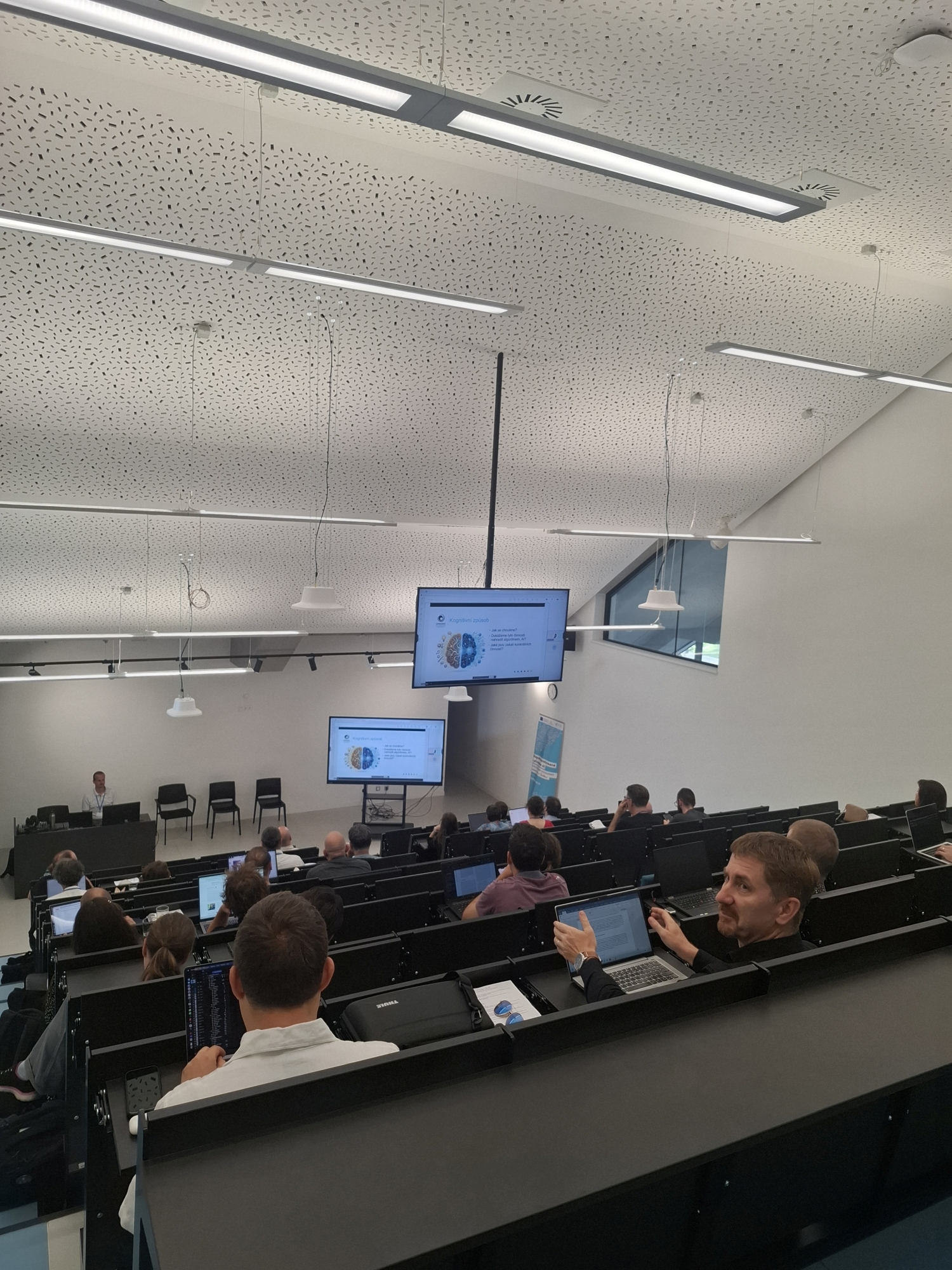
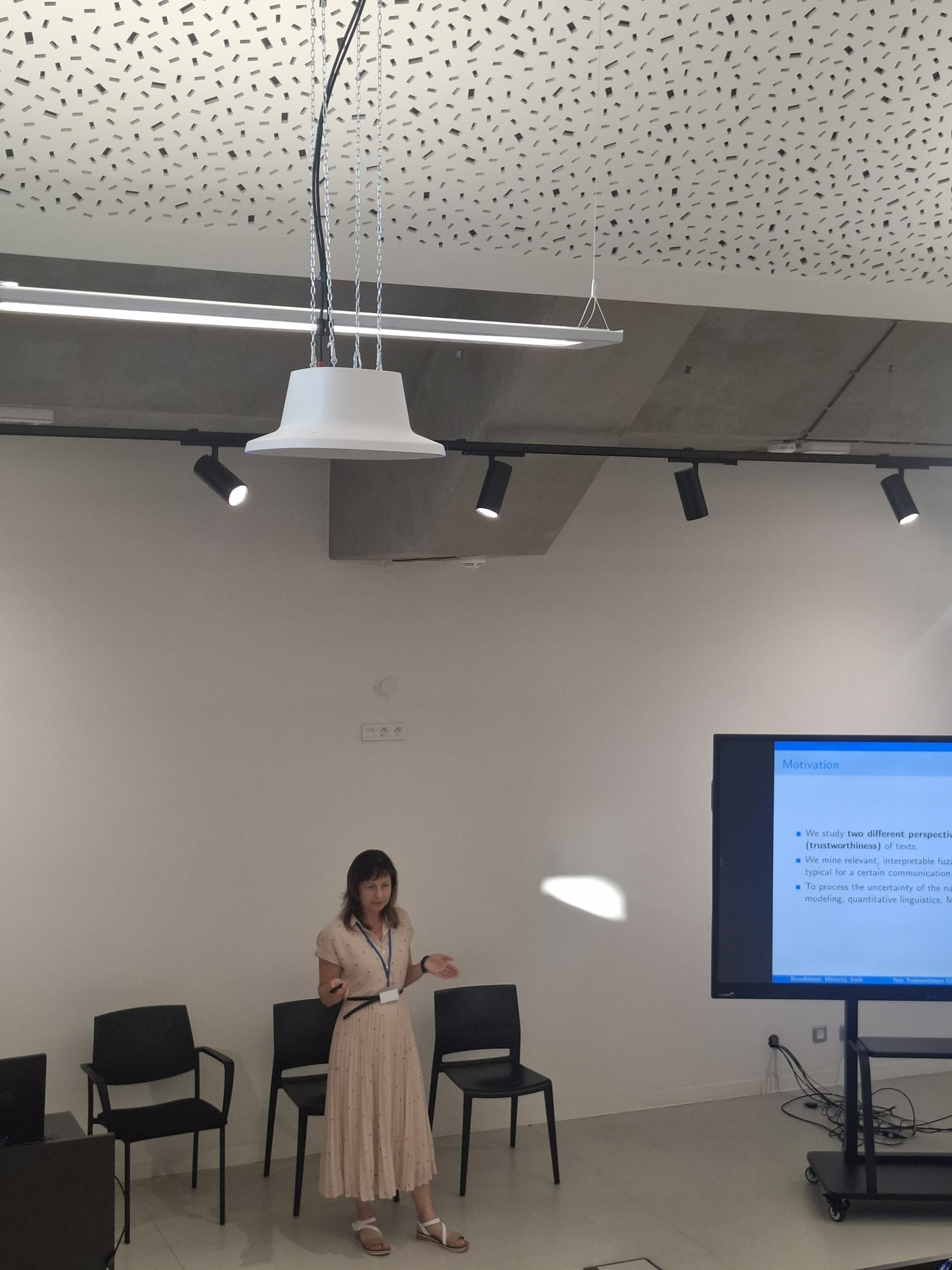
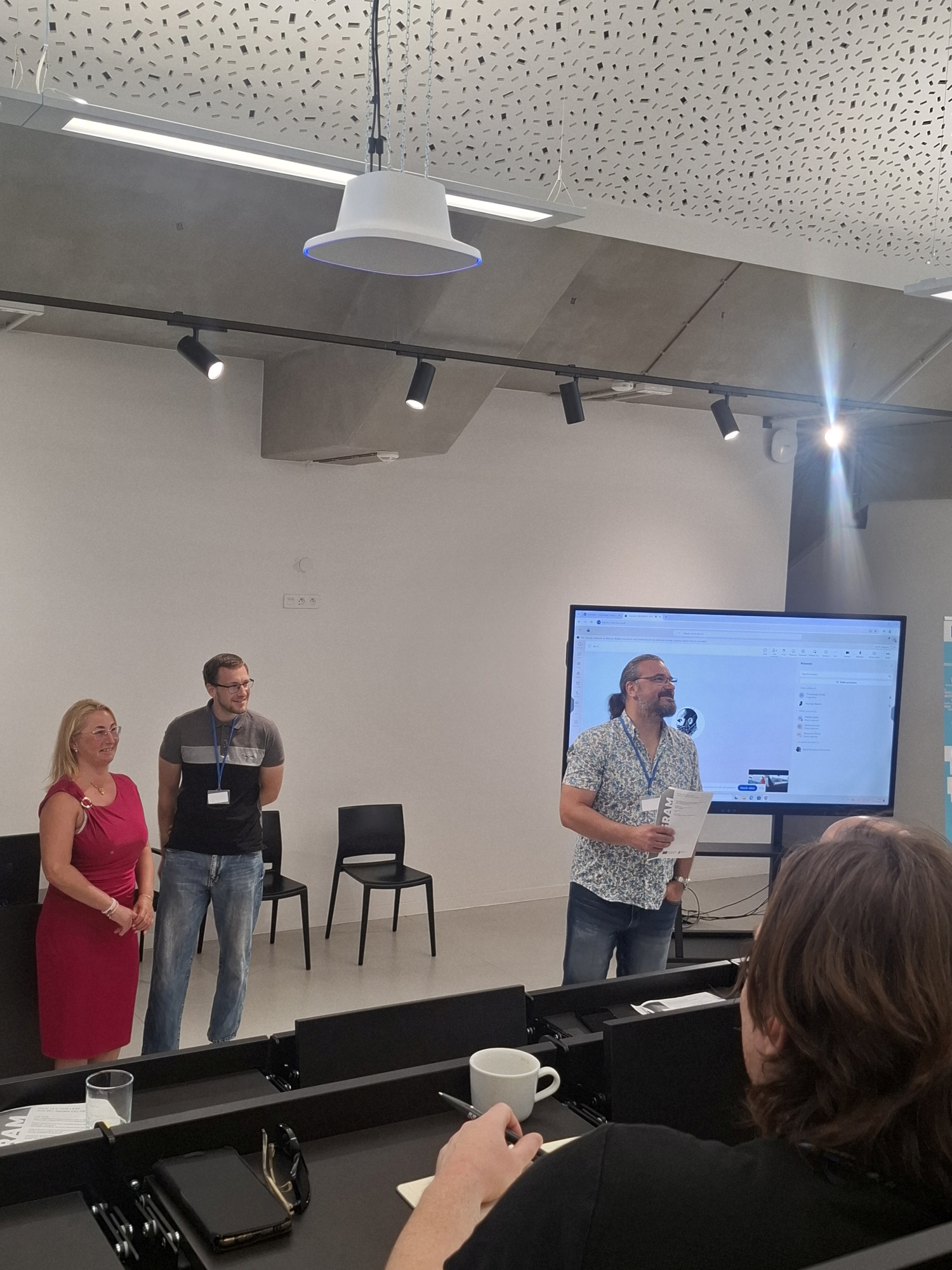
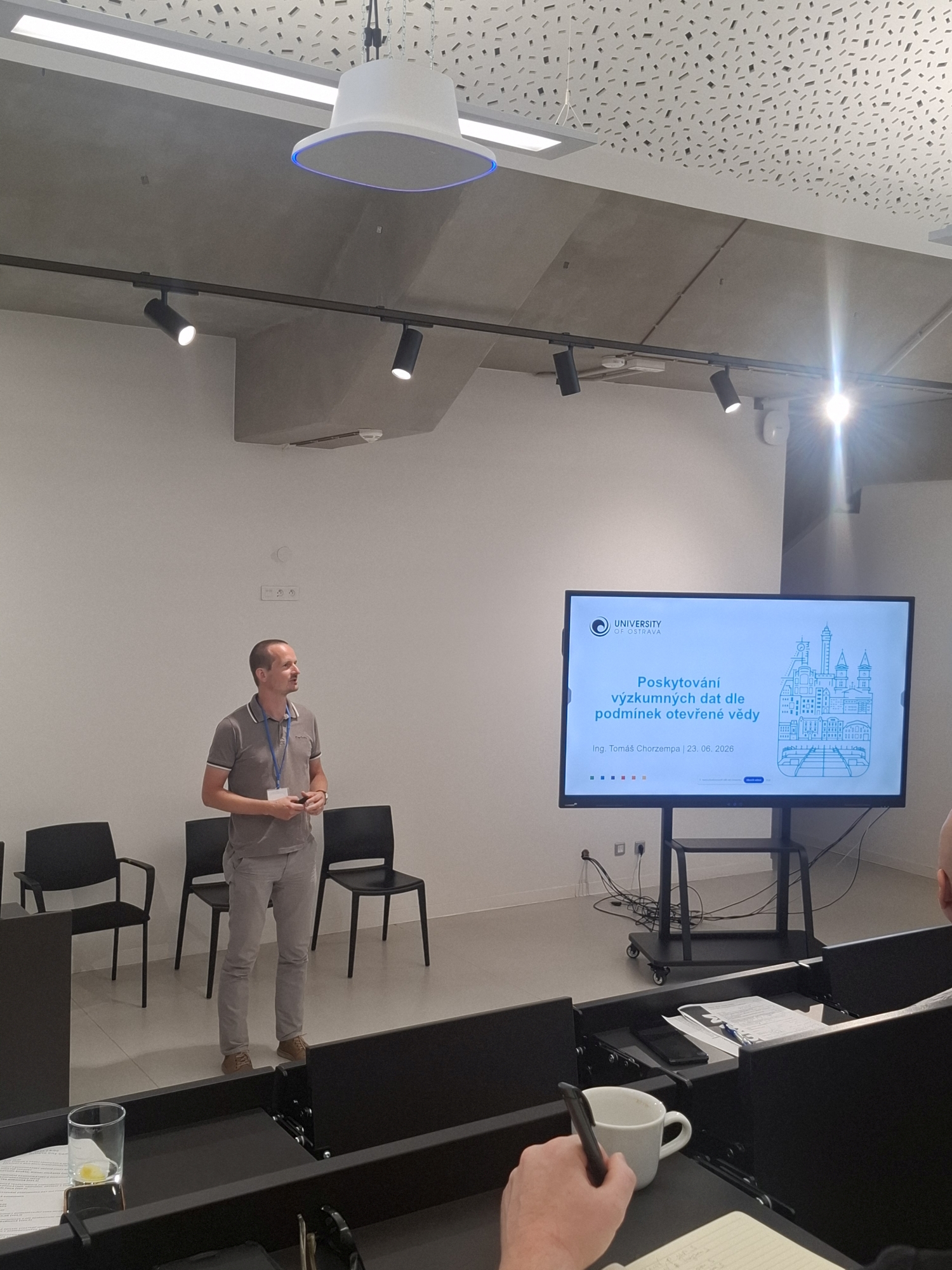
On June 22–23, 2026, another working meeting of the project Biography of Fake News with a Touch of AI: Dangerous Phenomenon through the Prism of Modern Human Sciences took place at the Ostrava City Campus. In addition to the heads of individual working packages, the meeting was attended by numerous members of their research teams. The aim of the gathering was not only to present the widest possible spectrum of ongoing research but, above all, to discuss opportunities for its further interconnection. One of the priorities of the meeting was to give young, early-career researchers the opportunity to report on their topics.
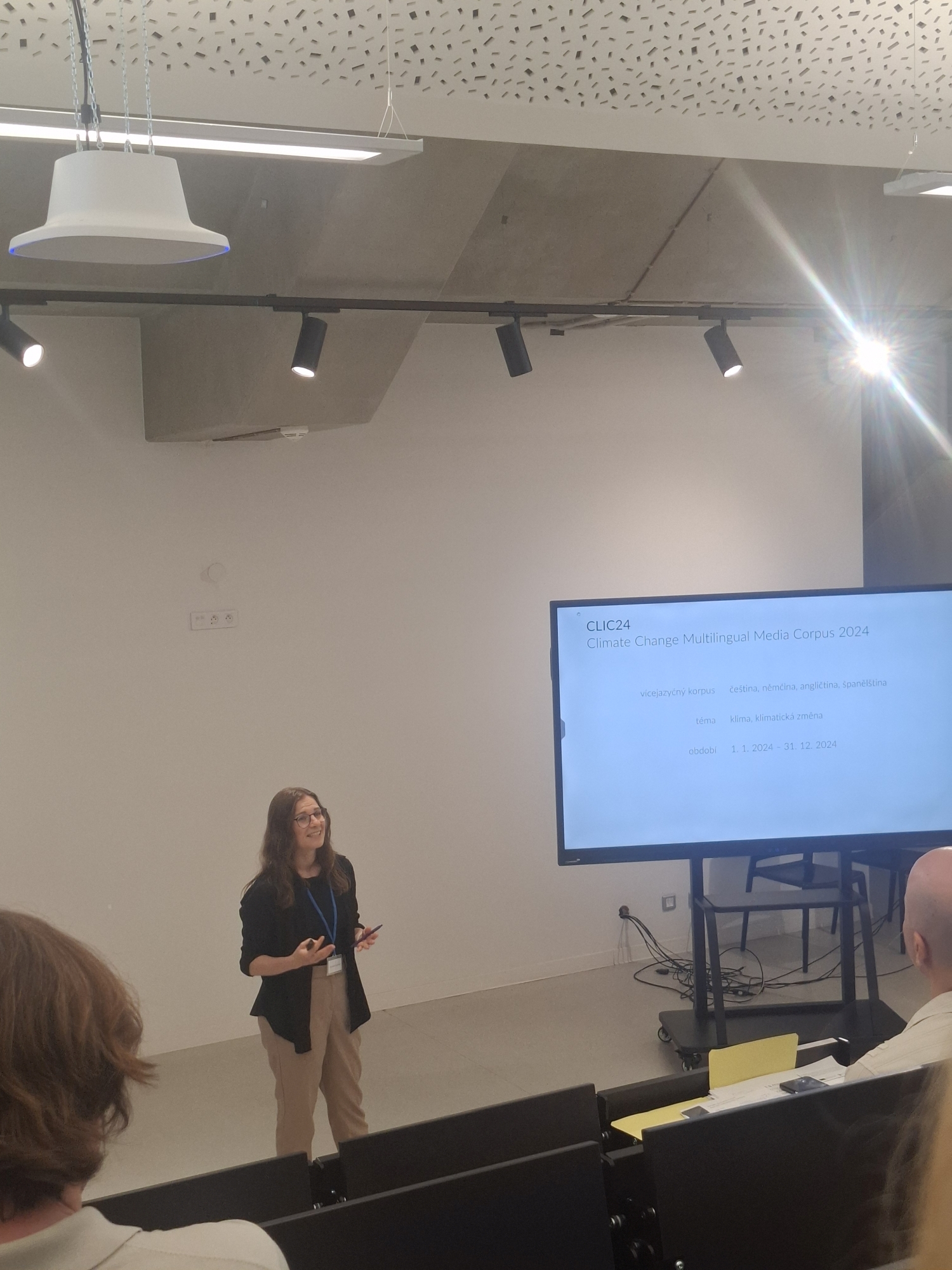
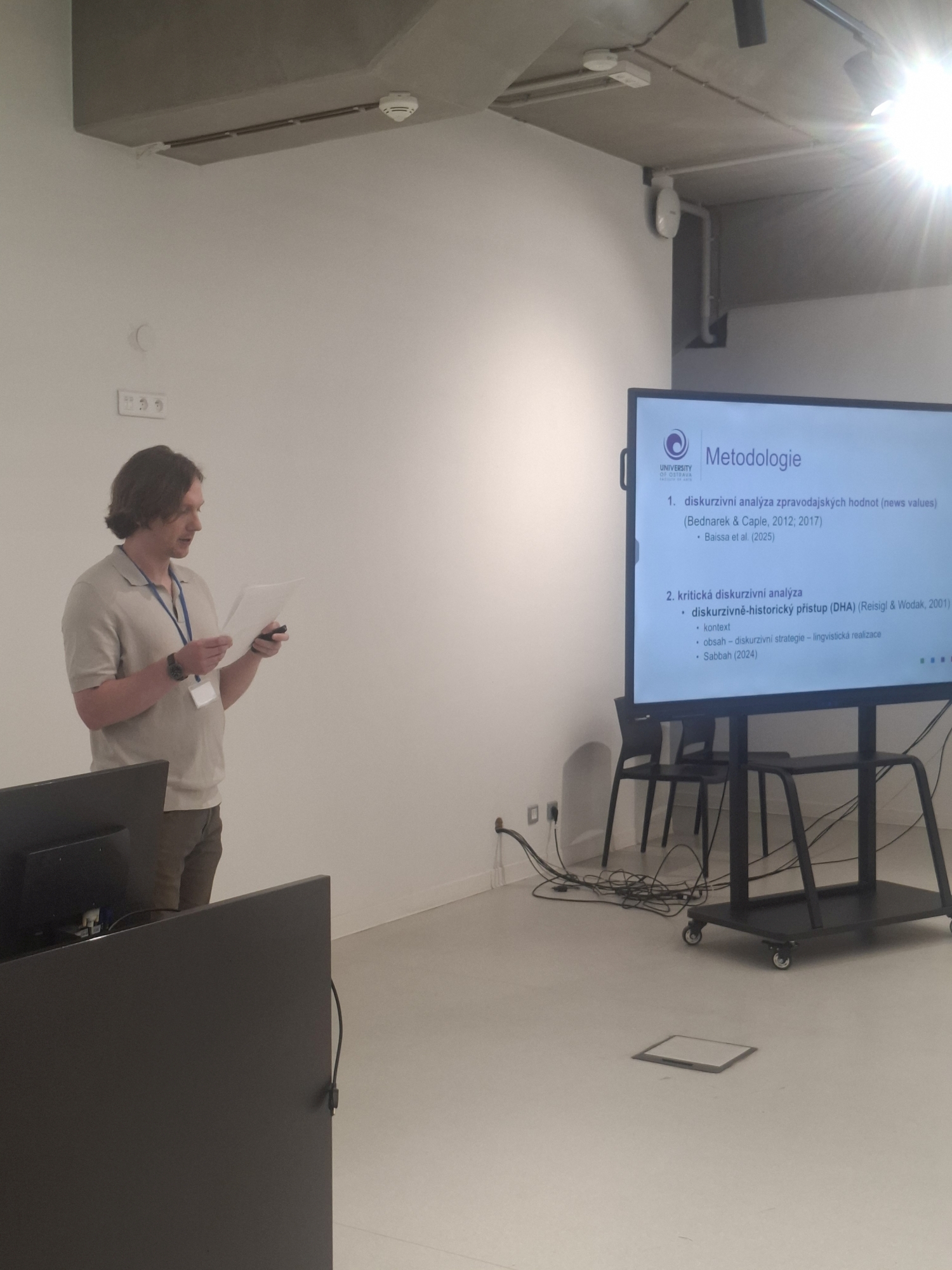
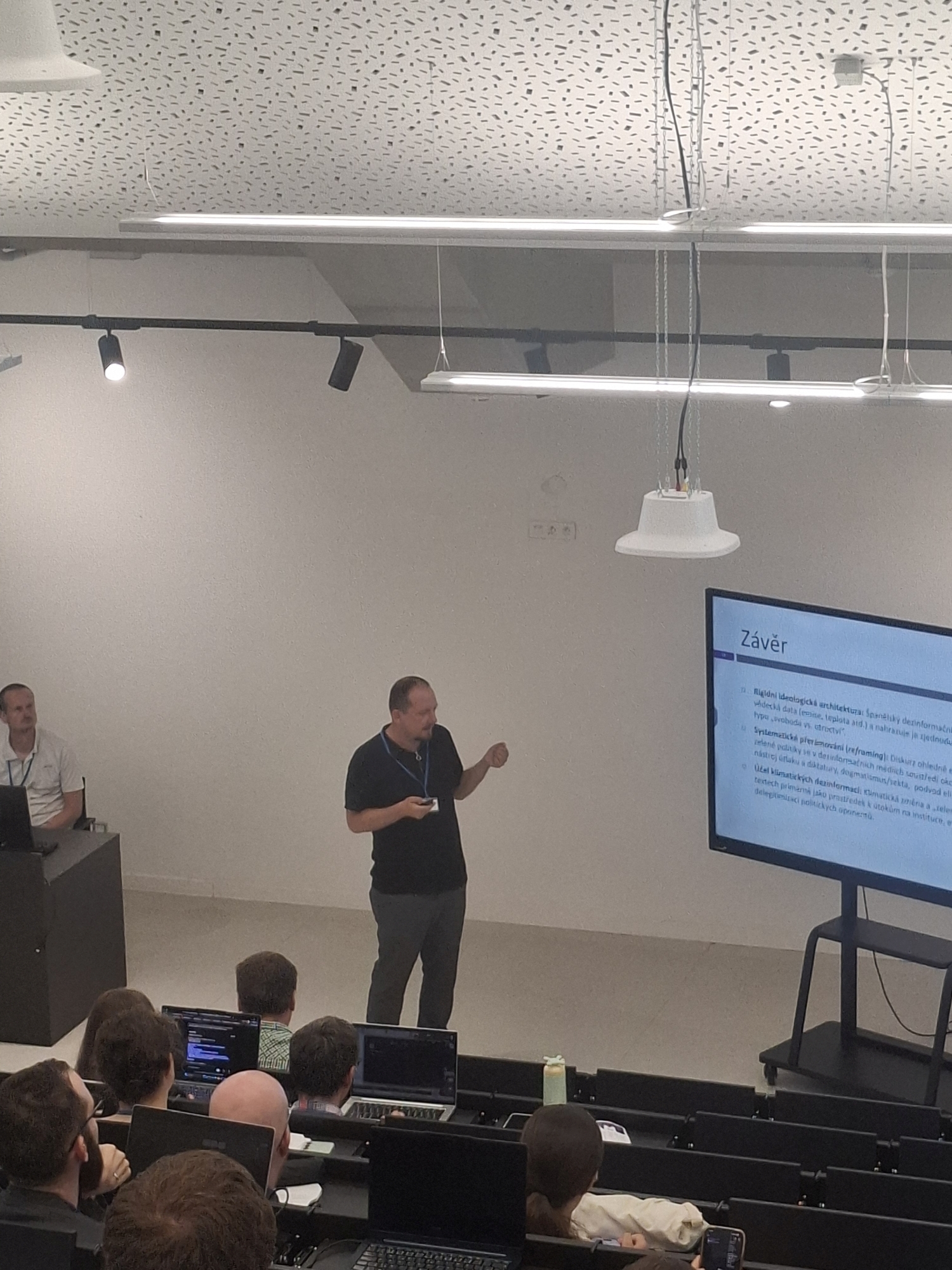
The first day of the project meeting was opened by Working Package 1, which focuses on the quantitative and qualitative analysis of disinformation discourse from the perspective of 21st-century linguistics. Team members first introduced the participants to the technical aspects of building a language corpus of texts from various types of media—which will also serve other project working packages as source material—as well as the challenges that had to be overcome during the compilation of the corpus. Subsequently, they presented partial results of a qualitative linguistic analysis of English-language disinformation texts, using the examples of presentation and argumentation strategies, as well as thematic transitions, so-called "TP breaks", as a rhetorical device. The specifics of economic disinformation on social networks in the German-speaking environment and conceptual metaphors that can be reconstructed in the discourse of climate disinformation in Spanish-language media were also presented.
Working package 2 continues to investigate the impacts of artificial intelligence on media and society. In their presentation, based on qualitative research among Czech journalists, sociologists pointed out the fact that media professionals tend to avoid questions in interviews focused on how they actually handle AI in their work. The authors of the presentation therefore transfer approaches known from the field of production studies into journalism research and propose a new term, "veiled use", and its typology, which names these elusive forms of AI utilization. This approach makes it possible to better capture the actual ways of working with AI in the media, thereby contributing to a deeper understanding of how artificial intelligence is transforming the journalistic profession and influencing its future.
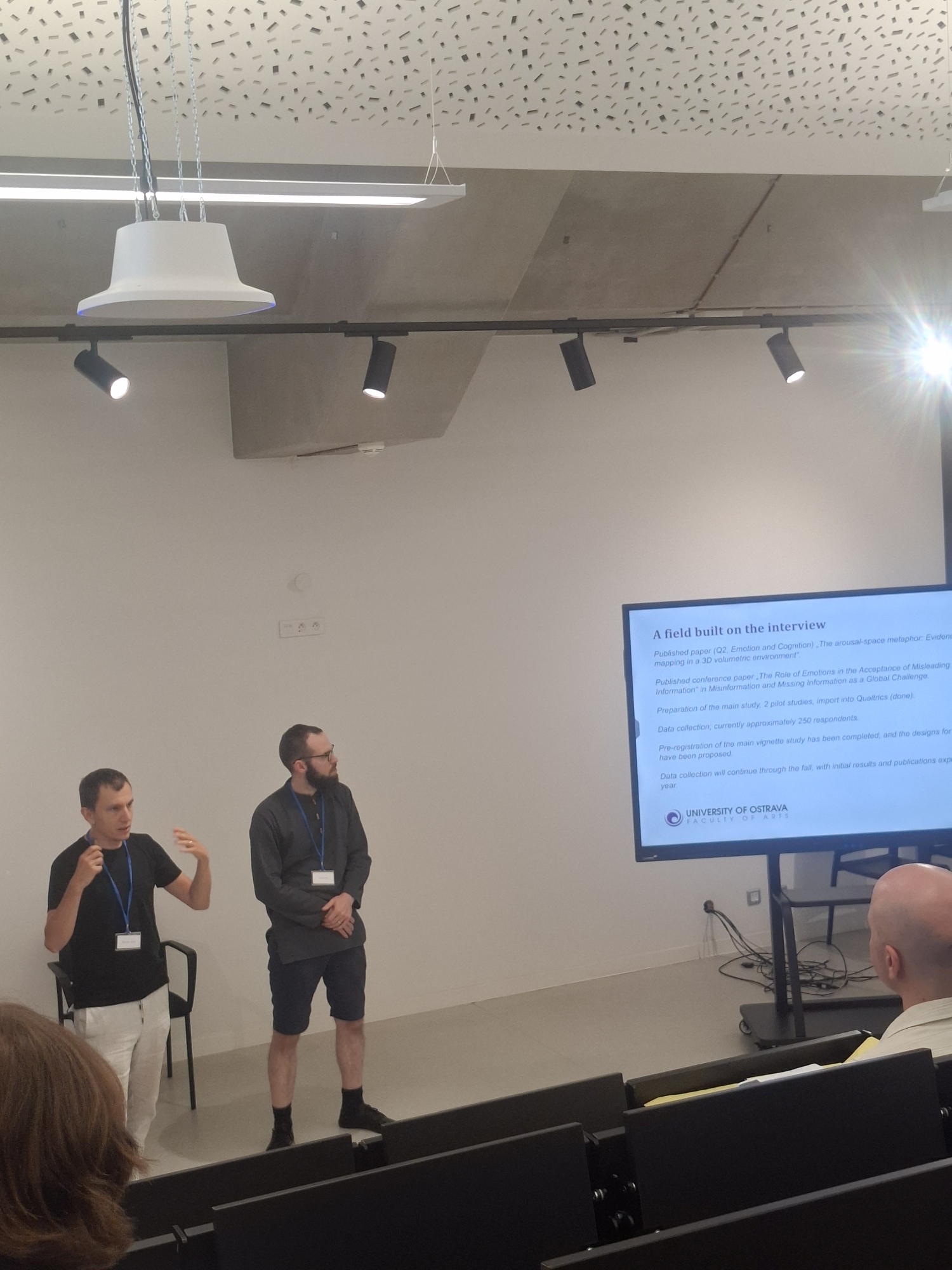
Concurrently, the quantitative part of the research was launched, on which sociologists are collaborating with psychologists from the Faculty of Arts, University of Ostrava (FF OU). Using an experimental questionnaire survey, they are examining how the Czech public evaluates AI-generated content, how much they trust it, whether they are willing to share it, and what emotions it evokes in them. The research also compares trust in AI with trust in the media, science, and public institutions, while taking into account respondents' individual attitudes toward artificial intelligence.
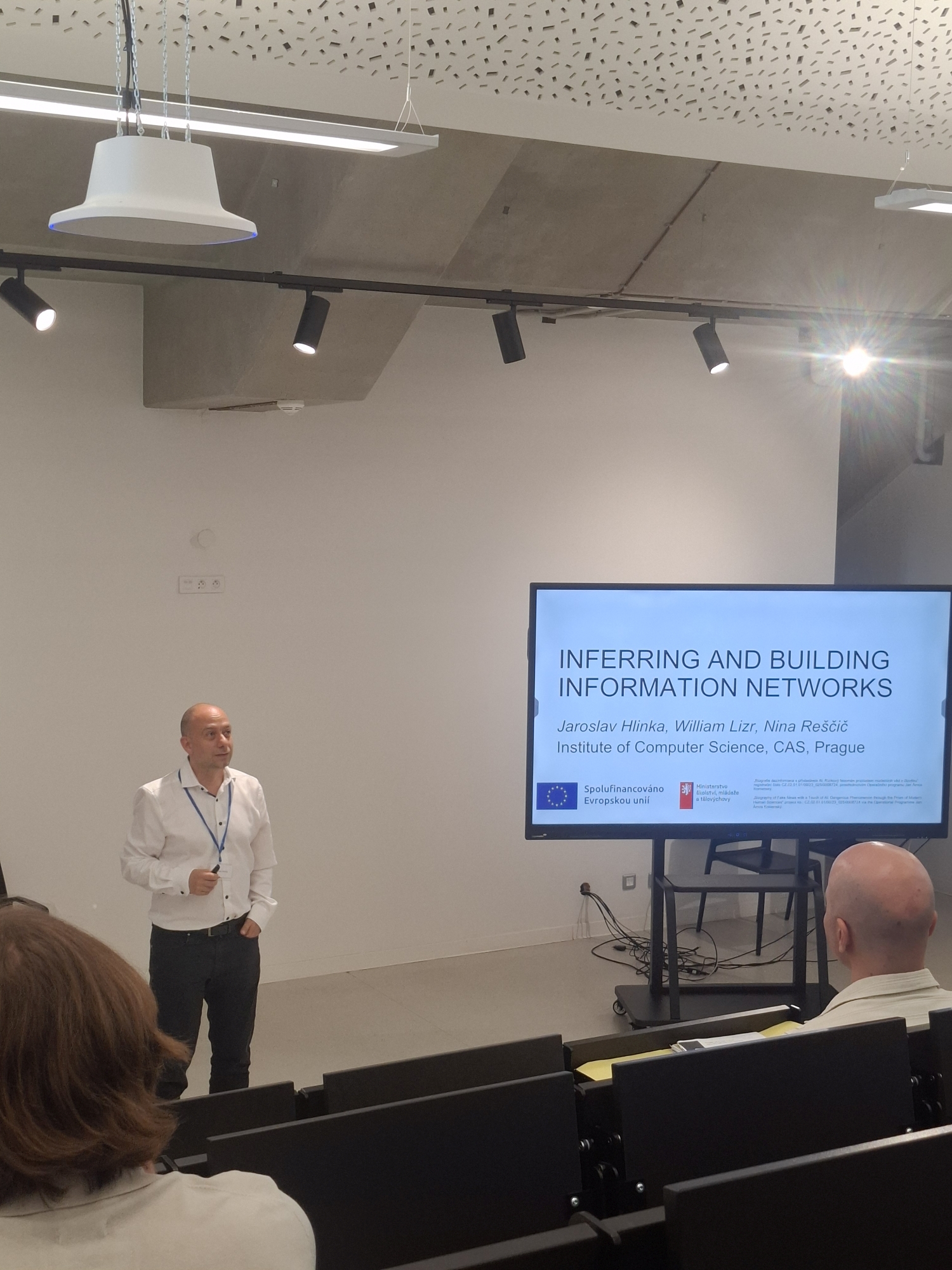
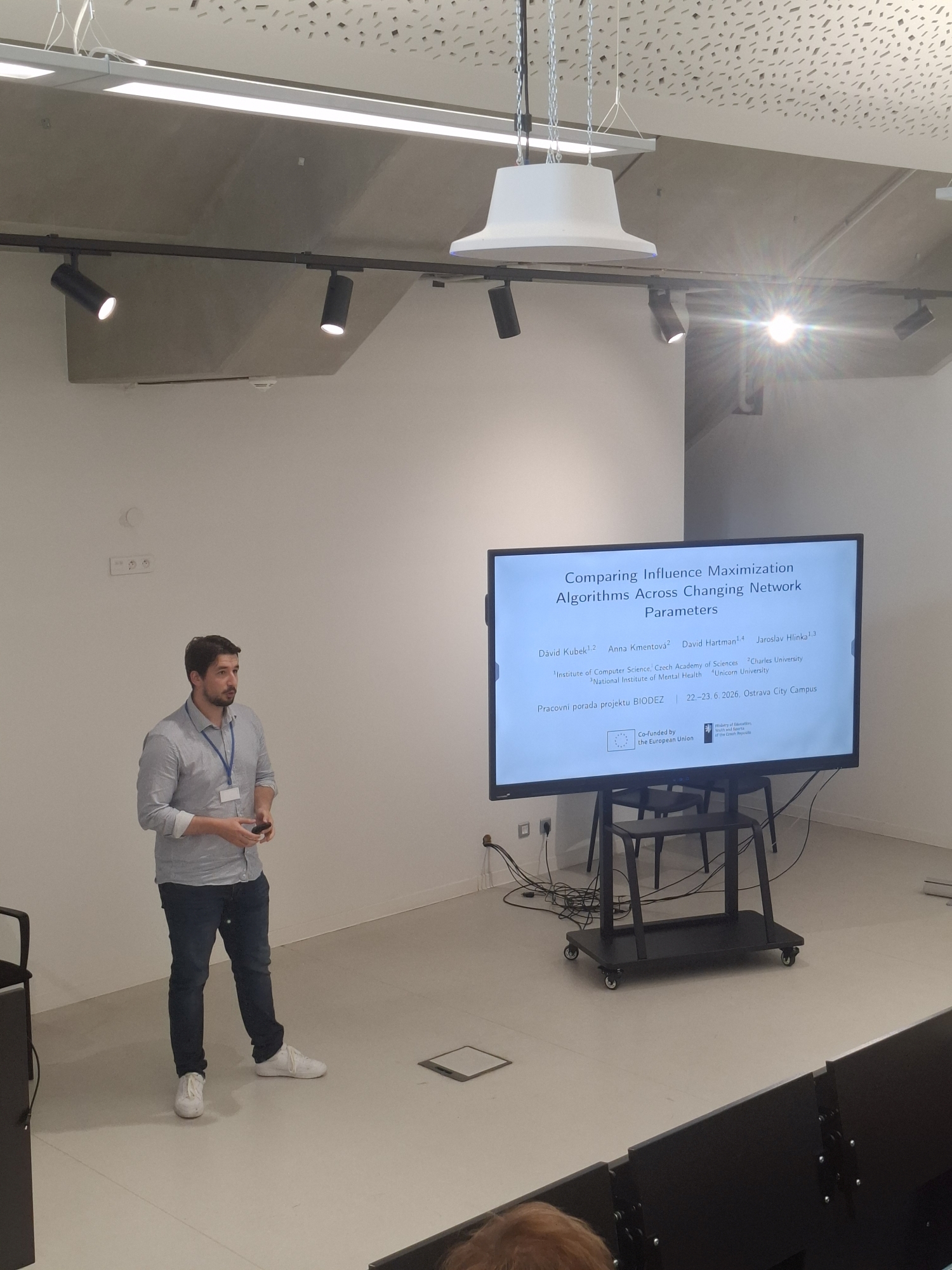
Presenters from Working Package 3 demonstrated how they combine findings from psychology, sociology, and philology with advanced artificial intelligence for more effective manipulation detection. They pointed out that mathematical models inspired by the spread of viruses among a population (e.g., the Epi-NetRate method) can map how false information spreads among social network users. Concurrent sociological research examining how major social events influence public attitudes confirmed, for instance, that the Russian invasion of Ukraine significantly strengthened the Czech public's sense of belonging to a democratic Europe. Members of the research team also demonstrated how they utilize knowledge retrieval techniques such as RAG (Retrieval-Augmented Generation) and LLM agents (AI models simulating human behaviour) and how they study algorithms for maximizing influence in digital networks. The collaboration with linguists involved in the project resulted in a report that introduced the audience to methods capable of using semantic and morphological attributes to distinguish text that merely appears trustworthy from text that is actually based on verified facts.
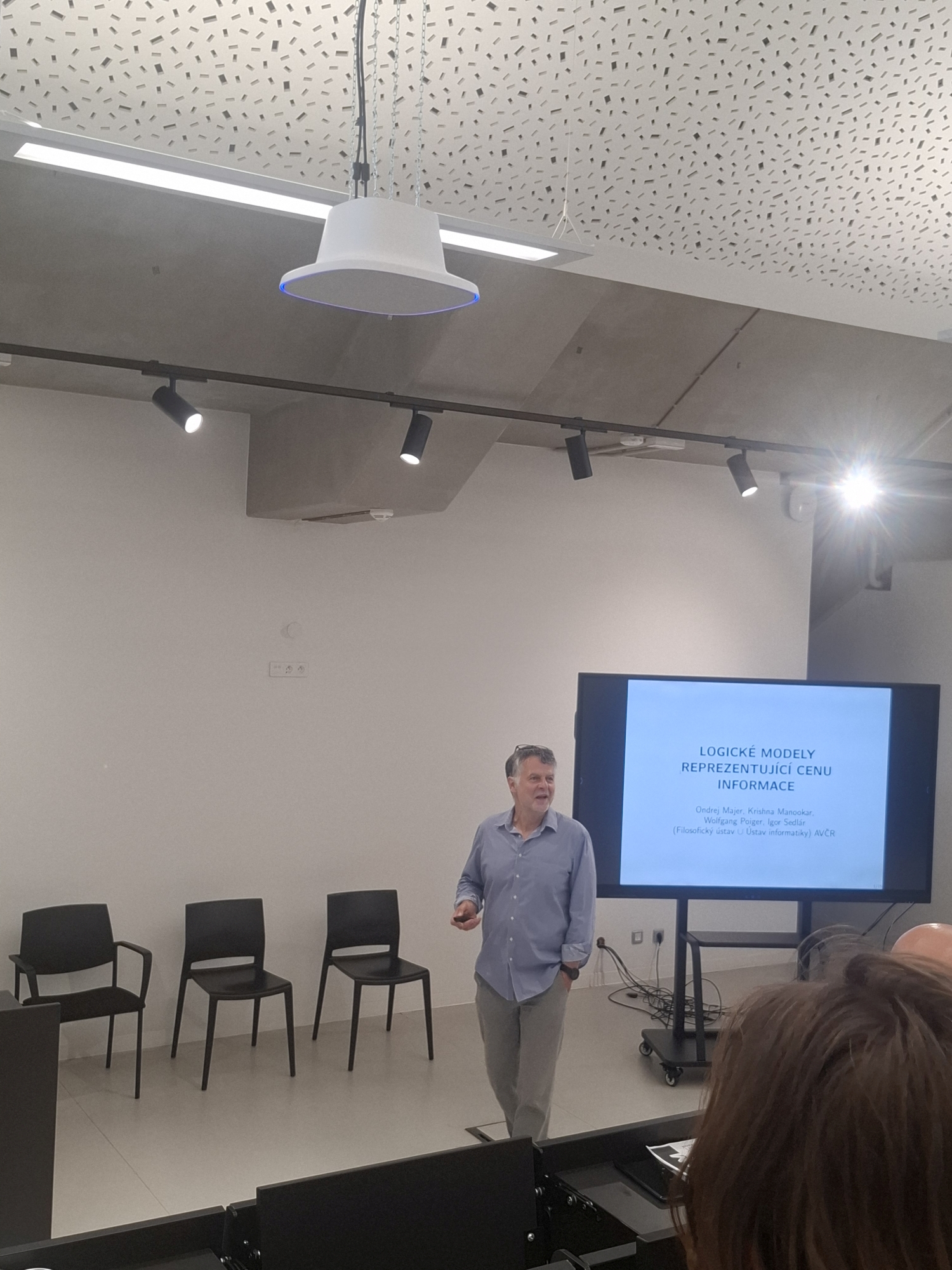
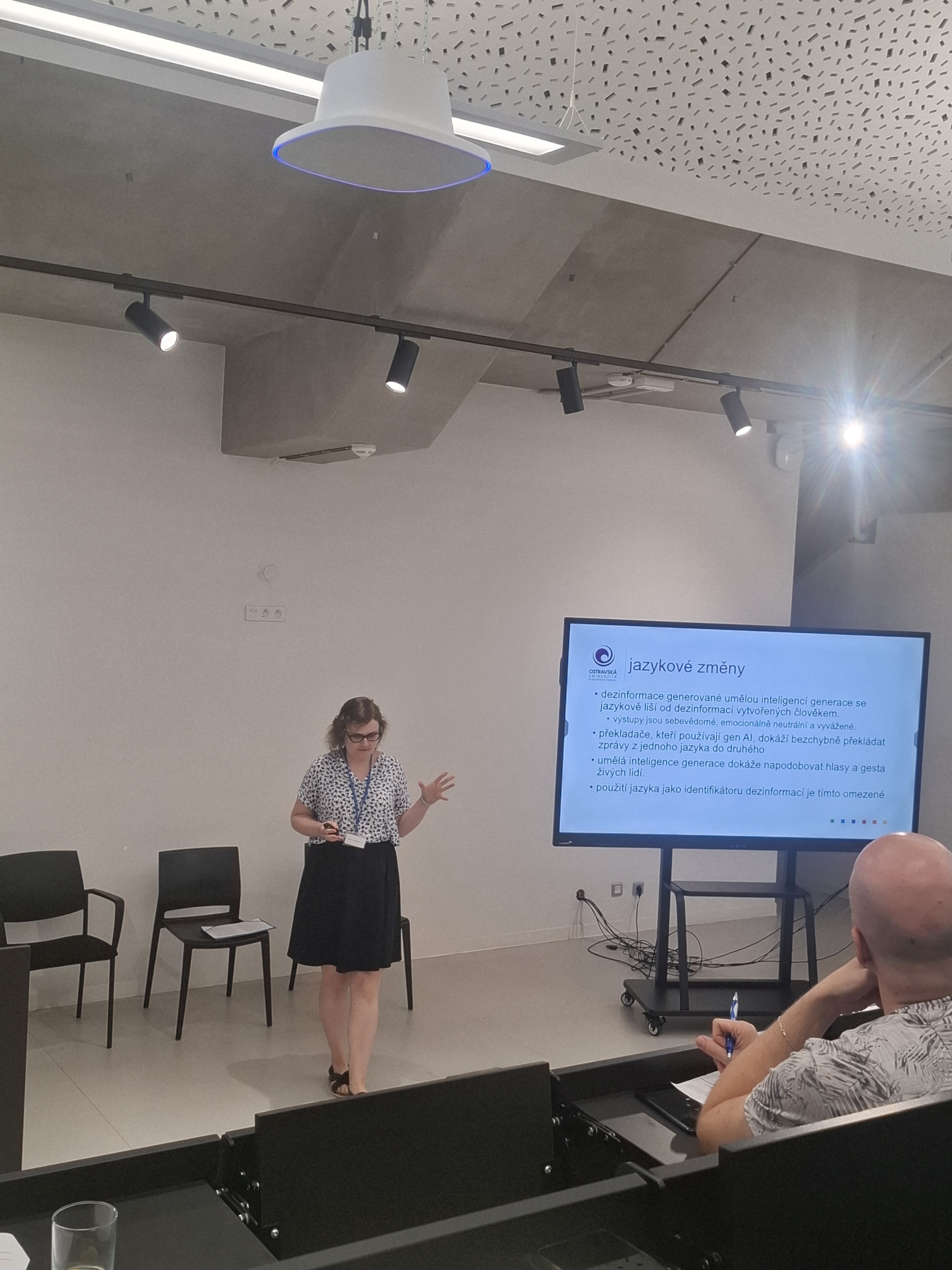
Working Package 4 presented a total of five presentations during the meeting, providing a comprehensive overview of the current results of the research topics under schedule. The first three papers focused on the research of fuzzy quantifiers and their application in the analysis of disinformation texts. The next presentation introduced the results of research focused on logical models integrating the cost of information into the decision-making process and the solution of practical tasks, including models of belief and knowledge operators in structures connecting states, sources, and evidence. The block of presentations concluded with a paper dedicated to the issue of disinformation in the era of generative artificial intelligence, which systematically defined related concepts such as misinformation, malinformation, fake news, and other forms of information manipulation, and highlighted the specific properties of disinformation generated by AI systems.
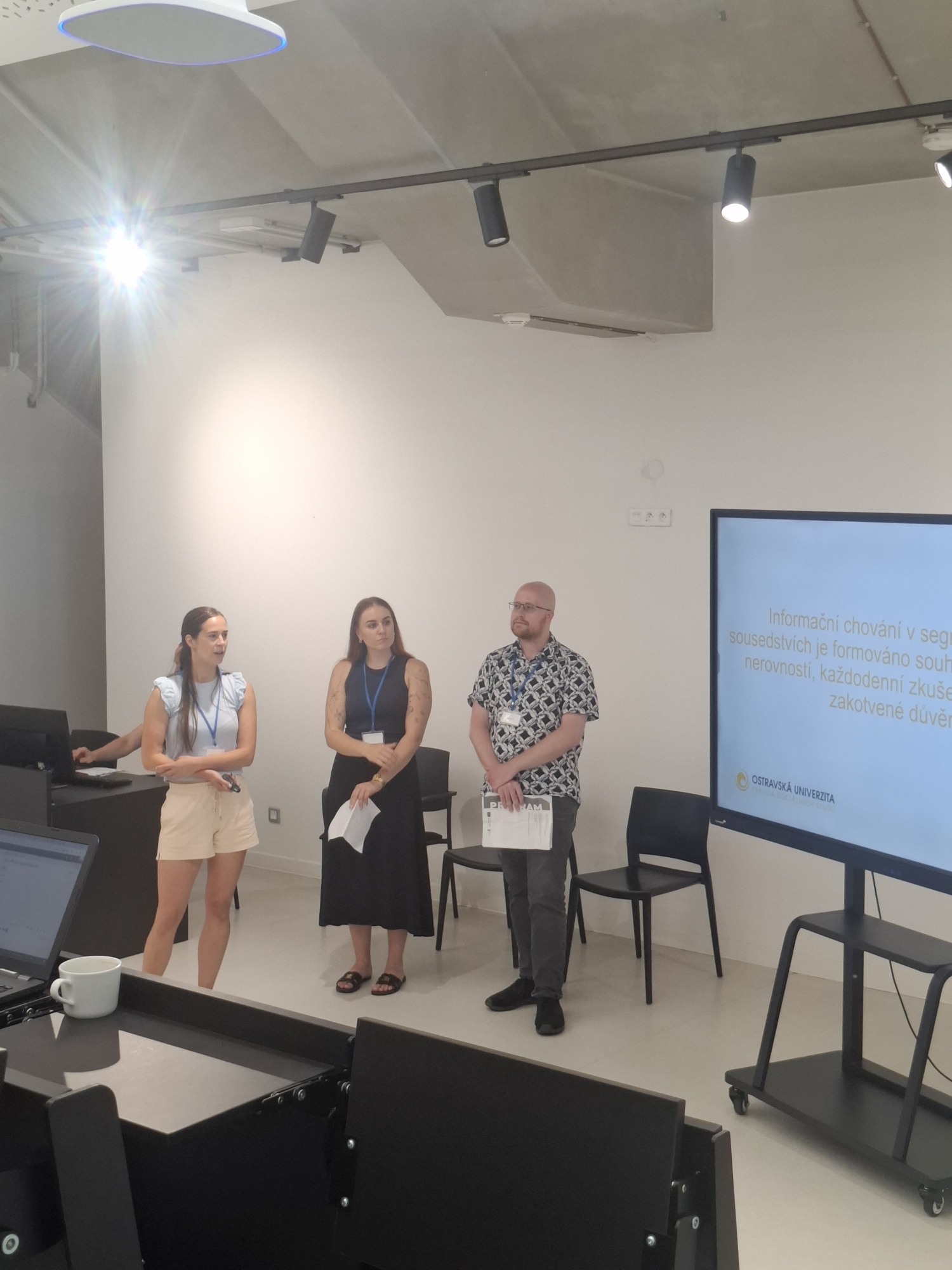
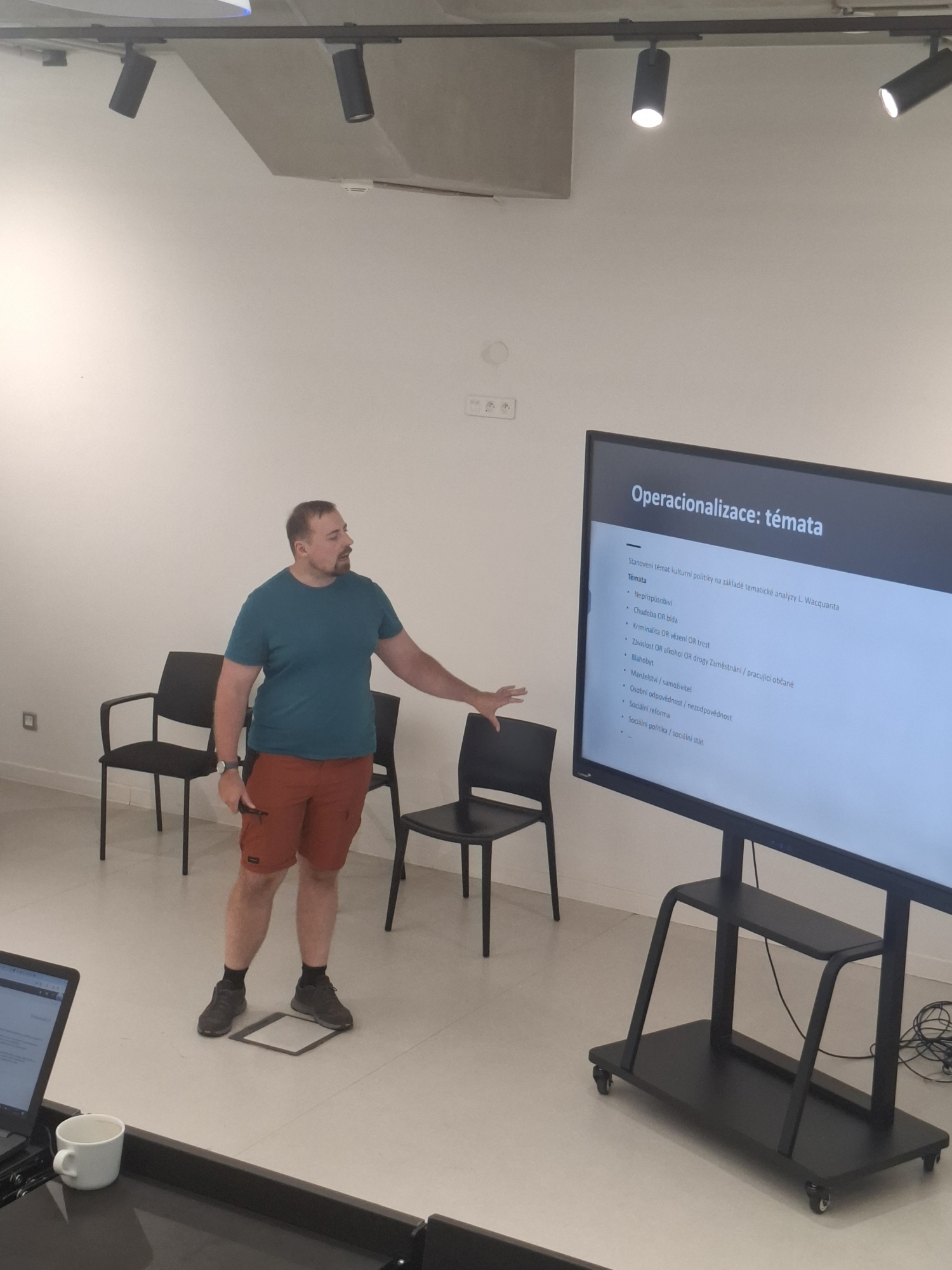
The team of Working Package 5 summarized the existing results of their research. Theoretical preparation was followed by a media analysis of public statements by Czech and local politicians and conservative think tanks, aimed at gaining an insight into the strategies of the neoliberalization of public discourse on the causes and appropriate solutions to poverty in the Czech Republic. Quantitative and qualitative research is now beginning, examining the neoliberalization of the values of social workers who work with clients in segregated neighborhoods, and the impacts of these values on social work practice.
The discussions on individual working packages, which continued during breaks and in a relaxed atmosphere even after the official part of the meeting concluded, were a valuable contribution. The joint meeting of the working packages confirmed the relevance of the topics being addressed and created space for the further development of cooperation among the individual working packages involved in the project.
Updated: 07. 07. 2026

